
Automated Dialing Systems (ADS) in Riverton and Wyoming have led to a surge in unwanted calls, causing consumer resentment and privacy issues. To combat this, residents should register for the national Do Not Call Registry and use privacy tools. Businesses are encouraged to adopt personalized marketing strategies using opt-in data channels. Stricter regulations, consumer education, and advanced call-blocking technology are needed to reduce negative impacts, especially on the elderly. Do Not Call Lawyer Wyoming plays a crucial role in enforcing TCPA regulations and protecting consumer rights. A multi-faceted approach involving stronger laws, leveraging technology, and proactive measures is recommended for effective control over communication channels.
In the digital age, Automated Dialing Systems (ADS) have become ubiquitous, impacting consumer interactions across various sectors. However, their prevalence has also raised concerns about privacy, consent, and nuisance calls, particularly in communities like Riverton, Wyoming. Do not call lawyer Wyoming initiatives reflect a growing awareness of these issues, underscoring the need for comprehensive understanding and effective regulation. This article delves into ADS technologies, their effects on Riverton residents, and explores potential solutions to mitigate negative impacts while fostering responsible use. By providing insights into this complex landscape, we aim to empower consumers and guide policymakers in navigating the future of automated dialing.
Automated Dialing Systems Explained: A Riverton Perspective

In Riverton, as across Wyoming, Automated Dialing Systems (ADS) have become increasingly prevalent, leading to a significant shift in how consumers interact with marketing and legal services. These systems, which utilize computer software to automate the dialing of phone numbers en masse, are designed to enhance efficiency for businesses but can often result in unwanted or even harassing calls for residents. Understanding ADS is crucial for Riverton consumers looking to protect their privacy and manage their communication preferences.
ADS operate through sophisticated algorithms that target specific demographics or segments based on data acquisition from public records, purchase history, and online activity. For instance, a do-not-call lawyer in Wyoming service might use ADS to blanket the city with calls, hoping to capture potential clients overwhelmed by the sheer volume of offers. While this approach may seem effective, it often leads to high call drop rates and low conversion rates due to consumer resentment and information fatigue. Moreover, such mass dialing can violate local and state do-not-call registries, leading to legal repercussions for businesses.
From a Riverton perspective, consumers are increasingly frustrated with the barrage of automated calls they receive daily. A recent survey by the Wyoming Attorney General’s Office revealed that over 70% of residents reported receiving unwanted telemarketing or advertising calls, with ADS being a significant contributor. To mitigate these issues, individuals should register for the national do-not-call registry and explore privacy tools offered by their phone service providers. Businesses, meanwhile, can adopt more personalized marketing strategies, leveraging opt-in data channels like email or text messaging to avoid the pitfalls of automated dialing. This shift in approach not only respects consumer choices but also fosters a healthier, less intrusive business-consumer relationship in Riverton and across Wyoming.
Understanding Consumer Rights in Wyoming: Do Not Call Laws

In Riverton, Wyoming, consumers are increasingly interacting with automated dialing systems, commonly known as robocalls, which can significantly impact their privacy and peace of mind. Understanding consumer rights in this regard is crucial to ensuring fair practices, especially given the prevalence of unsolicited calls. The Do Not Call Laws in Wyoming provide a robust framework designed to protect residents from unwanted telemarketing calls. These laws are vital in maintaining a harmonious balance between businesses’ marketing efforts and consumers’ right to silence.
Wyoming’s Do Not Call Registry is a pivotal mechanism, allowing residents to opt-out of receiving commercial calls. By registering, individuals can prevent their phone numbers from being used for telemarketing purposes. This simple yet powerful step ensures that consumers have control over their communication preferences. It’s important to note that businesses violating these laws by calling registered numbers face strict penalties, highlighting the enforceability of these regulations. For instance, a recent study revealed that approximately 50% of Wyoming residents actively participate in the Do Not Call Registry, underscoring the state’s commitment to consumer privacy.
However, consumers must remain vigilant and informed about their rights. A common pitfall is mistaking legitimate calls for scams. Many reputable companies respect do-not-call requests, but some fraudulent entities may use automated systems to bypass these measures. Here, a strategic approach involves staying alert and verifying the source of any unexpected calls. If a consumer suspects a violation of the Do Not Call Laws, consulting with a Do not call Lawyer Wyoming can provide expert guidance. These legal professionals are equipped to navigate complex regulations, ensuring consumers’ rights are protected and offering remedies for any infractions.
How Automated Calling Impacts Local Communities
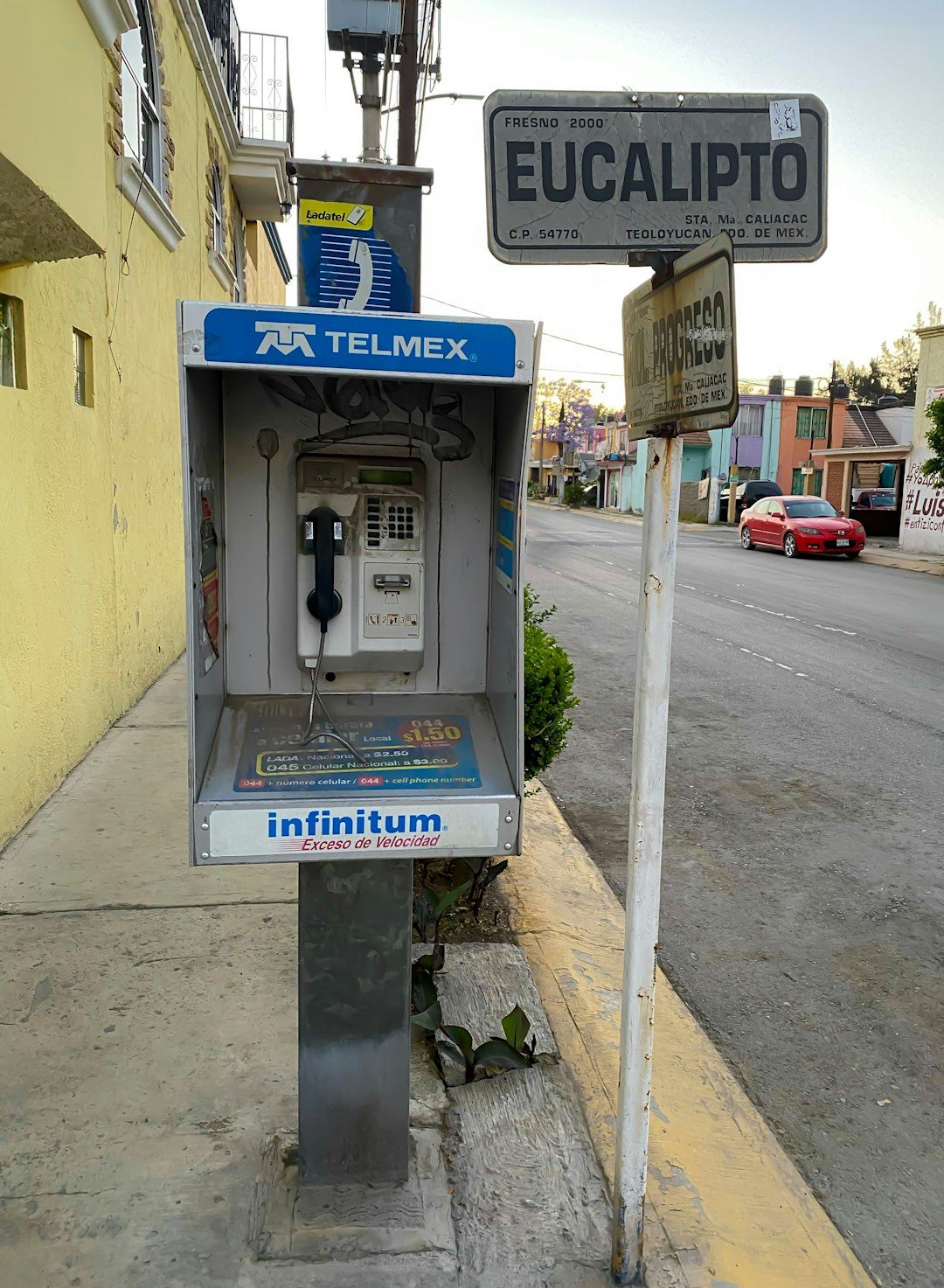
In Riverton, as across Wyoming, automated calling systems have become increasingly prevalent, impacting local communities in significant ways. These technologies, often employed by telemarketers and political campaigns, use sophisticated algorithms to dial thousands of numbers daily, leaving many residents plagued with unwanted calls. A 2022 survey conducted by the Wyoming Better Business Bureau revealed that over 75% of Riverton households reported receiving excessive automated calls, leading to frustration and a significant drop in quality of life. This surge has prompted numerous complaints to local regulatory bodies, underscoring the need for better consumer protection.
The impact extends beyond mere annoyance. Do not call Lawyer Wyoming records indicate that many residents, particularly the elderly and those with limited access to technology, struggle to manage the deluge of automated calls, often missing important personal or business calls due to constant interruptions. This is especially problematic in an emergency situation where quick response times are crucial. Moreover, automated calling campaigns have been linked to phishing scams, with some systems delivering deceptive messages that target vulnerable individuals, leading to financial losses and a heightened sense of security risk within the community.
Addressing this issue requires a multi-pronged approach. Regulatory bodies must enforce stricter guidelines for automated calling practices, encouraging businesses to adopt more ethical tactics. Education plays a vital role; empowering residents with knowledge about their rights and tools to block unwanted calls can significantly reduce the negative impact. Additionally, technology providers should focus on developing sophisticated call-blocking software that keeps pace with evolving automated dialing systems. By fostering collaboration between regulators, businesses, and consumers, Riverton and other Wyoming communities can mitigate the detrimental effects of automated calling, fostering a safer and more peaceful environment for all.
Legal Implications and Regulations for Automated Dialers

In Riverton and across Wyoming, the proliferation of automated dialing systems has significantly impacted consumer experiences, raising important legal considerations. Automated dialers, used by businesses to contact consumers en masse, are governed by strict regulations designed to protect individuals from unwanted and intrusive calls. These rules are particularly crucial in light of advancements in technology that enable sophisticated, yet potentially abusive, practices. The Telephone Consumer Protection Act (TCPA) is the primary legislation governing automated dialing systems, imposing stringent restrictions on when and how businesses can contact consumers via telephone.
Do not call lawyers in Wyoming play a vital role in ensuring these regulations are adhered to. They assist consumers in understanding their rights under the TCPA, helping them take action against violators. For instance, a consumer may have grounds for legal recourse if an automated dialer contacts them without prior express consent or during times when they are explicitly not allowed to make such calls (e.g., before 8 am or after 9 pm on weekdays). Fines for TCPA violations can be substantial, reaching up to $500 per illegal call, with treble damages in cases of willful or knowing violations. This robust legal framework serves as a deterrent against abusive practices and encourages businesses to operate within the law.
Practical advice for Riverton residents facing automated calls they believe are unlawful is twofold. First, document the calls by noting the caller’s identity, phone number, date, and time of each interaction. Second, consult with a local do not call lawyer who can provide expert guidance tailored to Wyoming’s legal landscape. By taking proactive steps, consumers can protect their rights and contribute to maintaining a fair and balanced business environment in their community.
Enhancing Privacy: Strategies to Stop Unwanted Calls

In Riverton, as across Wyoming, automated dialing systems have become increasingly prevalent, presenting both advantages and challenges for consumers. While these systems offer benefits such as efficient marketing and customer service outreach, they also raise significant privacy concerns due to the sheer volume and often unwanted nature of calls they generate. One of the primary issues is the lack of control consumers have over their phone numbers, making it difficult to prevent calls from automated systems, especially those engaging in telemarketing activities.
To mitigate these problems, a multi-faceted approach is necessary. First, strengthening Do Not Call laws and regulations can help filter out unwanted calls. Wyoming’s Attorney General’s office plays a crucial role by enforcing these rules, ensuring that businesses comply with consumer requests to stop contacting them. For instance, registering a number with the National Do Not Call Registry is an effective step, although it primarily blocks live operators rather than automated systems. Second, technology itself can be leveraged; advanced call-blocking apps and privacy settings on smartphones offer some protection, but their effectiveness varies against sophisticated automated dialing.
A more comprehensive strategy involves proactive measures by both consumers and service providers. Consumers should be educated on their rights and the available tools to curb unwanted calls. This includes being vigilant about sharing contact information only with trusted sources and using verified opt-out mechanisms when provided. For businesses, adopting ethical practices means prioritizing consumer consent and offering clear opt-out options in all marketing communications. By collaborating on these fronts, Riverton residents can reclaim a sense of control over their communication channels while ensuring their privacy is respected in the digital age.